 Skip to content


Can Dogs Eat Broccoli Safely? Complete Nutritional Guidelines for Pet Owners
Your dog gives you those pleading eyes every time you’re chopping vegetables for dinner and you’re holding a head of broccoli. Before you toss them a piece, you pause and wonder: is this actually safe? It’s a smart question to ask. While many human foods are perfectly fine for dogs, others can cause problems, and knowing the difference is an important part of responsible pet care.
The good news for broccoli lovers and their dogs is encouraging—but it comes with important guidelines. Understanding how much broccoli is safe, which parts to watch out for, and how to prepare it can help you share this nutritious vegetable without risking your dog’s health. This complete guide walks you through everything pet owners need to know.
Can Dogs Eat Broccoli Safely?
Yes, dogs can eat broccoli safely—in moderation. Broccoli is non-toxic to dogs and can be a healthy, low-calorie treat when offered in appropriate amounts. It contains beneficial nutrients and can be a good occasional addition to your dog’s diet alongside their regular, balanced food.
However, “safe in moderation” is the key phrase. Broccoli florets contain compounds called isothiocyanates that can cause digestive upset in larger quantities, and the appropriate amount depends heavily on your dog’s size. As a general rule, broccoli (like all treats) should make up no more than 10% of your dog’s daily calorie intake. Beyond this, it can cause problems—so portion control is essential.
Why Pet Owners Question Broccoli as a Dog Food
Pet owners are right to question whether broccoli is safe, because not all vegetables and human foods are dog-friendly. Some foods that are perfectly healthy for people—like onions, garlic, and grapes—are actually toxic to dogs. This makes it wise to check before sharing any new food with your pet.
Broccoli also has a reputation for causing gas and digestive issues, even in humans, which understandably raises questions about how dogs handle it. The truth is that broccoli sits in the middle ground: it’s safe and even beneficial in small amounts, but it can cause issues if overfed. Understanding this nuance is exactly why doing a little research, as you’re doing now, is so valuable.
Nutritional Value of Broccoli for Dogs
Broccoli is genuinely nutritious and offers real benefits when fed appropriately. It’s low in calories and fat while being high in fiber, making it a healthy treat option, especially for dogs that need to watch their weight. The fiber can support digestive health when broccoli is given in moderation.
Beyond fiber, broccoli is packed with vitamins and minerals that contribute to overall health. While your dog should already be getting complete nutrition from a balanced commercial diet, a small amount of broccoli can be a wholesome, vitamin-rich treat that adds variety. It’s one reason broccoli is often considered a “superfood” in the human world—and some of those benefits extend to our canine companions.
Vitamins and Minerals Your Dog Receives
Broccoli provides a range of beneficial nutrients. It’s an excellent source of vitamin C, which supports immune function, and vitamin K, which plays a role in bone health and blood clotting. It also contains potassium, which supports muscle and nerve function, along with other minerals.
The fiber in broccoli supports healthy digestion, while its antioxidant compounds may help protect cells from damage. It’s worth noting that dogs produce their own vitamin C and get complete nutrition from quality dog food, so broccoli is a bonus treat rather than a dietary necessity. Still, these nutrients make it a wholesome choice when you want to offer something healthy.
Caloric Content and Portion Considerations
One of broccoli’s advantages is that it’s low in calories—roughly 30 calories per cup—making it a guilt-free treat when portioned correctly. This low caloric content is part of what makes it appealing for dogs that need a healthy, satisfying snack.
The 10% rule is your guide here: treats, including broccoli, should make up no more than 10% of your dog’s daily calories. Importantly, this means very different amounts for different dogs. As the American Kennel Club notes, a tiny dog like a Chihuahua might reach that limit with just a couple of small florets, while a large dog could safely eat more. Always account for your individual dog’s size and daily intake.
Potential Health Risks and Toxicity Concerns
While broccoli is non-toxic, there are real risks to be aware of, primarily related to overfeeding and preparation. Understanding these concerns helps you share broccoli safely and recognize when something might be wrong.
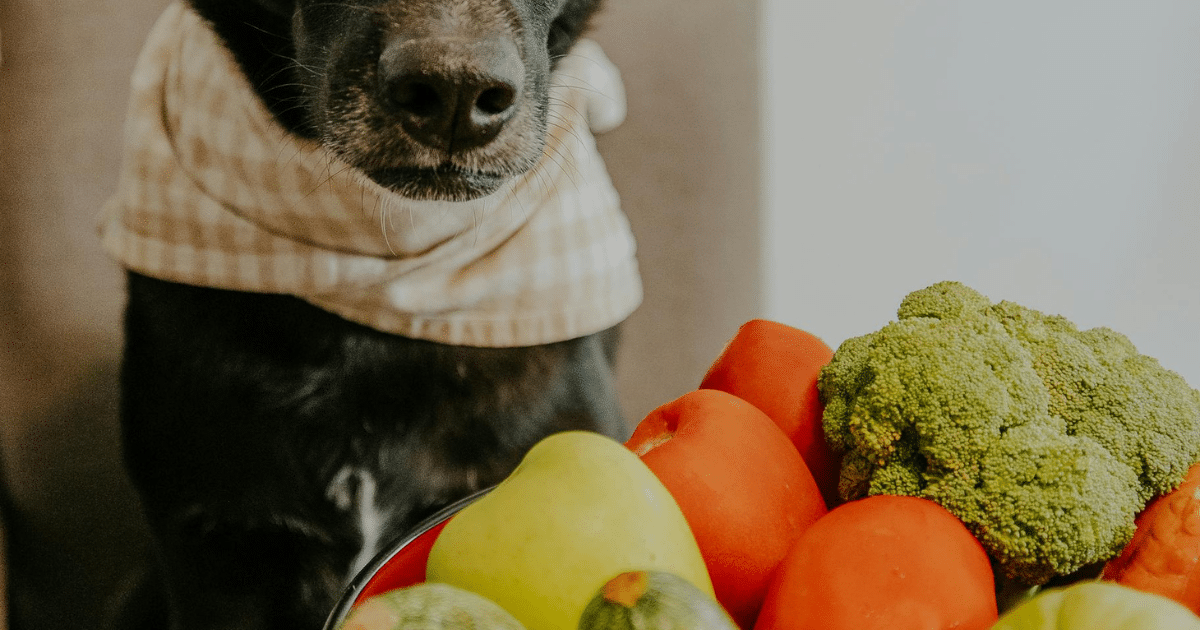
The two main concerns are digestive upset from the isothiocyanates in broccoli florets and the choking or obstruction risk posed by broccoli pieces—especially stems. Feeding too much broccoli can lead to significant gastrointestinal problems. In fact, when broccoli makes up more than 25% of a dog’s diet, it’s considered potentially toxic due to these compounds. This is why moderation isn’t just a suggestion—it’s an important safety guideline.
Isothiocyanates and Digestive Upset
Isothiocyanates are natural compounds found in broccoli florets (and other cruciferous vegetables). In small amounts, they’re harmless, but in larger quantities, they can irritate a dog’s digestive system. This is the primary reason broccoli must be limited.
Signs of digestive upset from too much broccoli include gas, stomach discomfort, vomiting, and diarrhea. While usually mild when small amounts are involved, these symptoms can become more serious with larger quantities. If your dog experiences significant or persistent digestive issues after eating broccoli, it’s best to stop feeding it and consult your veterinarian. Starting with very small amounts helps you gauge how your individual dog tolerates it.
Safe Vegetables for Dogs Beyond Broccoli
Broccoli isn’t the only dog-friendly vegetable. Many vegetables make healthy, safe treats when prepared and portioned properly. Carrots are a popular choice—crunchy, low-calorie, and good for dental health. Green beans are another excellent option, being low in calories and high in fiber and nutrients.
Other safe vegetables include cucumber, plain pumpkin, peas, and cooked sweet potato, among others. As with broccoli, these should be given in moderation as treats, prepared plainly without seasoning, and cut into appropriate sizes. It’s always wise to confirm a vegetable is dog-safe before offering it, since some—like onions and garlic—are toxic. Variety can be wonderful, as long as safety comes first.
How to Introduce Broccoli to Your Dog’s Diet
When introducing broccoli, the golden rule is to start small and go slow. Begin with a tiny portion—perhaps a small floret for a small dog or a slightly larger piece for a big dog—and observe how your dog reacts over the next day or so. This lets you catch any signs of digestive intolerance before offering more.
If your dog tolerates the small amount well, you can offer broccoli occasionally as a treat, always staying within the 10% rule. Supervising your dog the first time they try any new food is a smart practice. And as always, if your dog has any health conditions or is on a special diet, check with your veterinarian before adding new foods.
Preparation Methods That Reduce Health Risks
How you prepare broccoli makes a real difference in safety. Always wash it thoroughly and cut it into small, bite-sized pieces appropriate for your dog’s size—this is the single most important step for reducing choking and obstruction risks, especially with stems and for small dogs.
Both raw and cooked broccoli can be safe, but cooking (especially steaming) softens it, making it easier to chew and digest and reducing choking risk. Steaming also helps preserve nutrients. Crucially, always serve broccoli plain—no butter, oil, salt, garlic, onion, or other seasonings, as these can be harmful or toxic to dogs. Simple preparation is the safest preparation.
Dog Nutrition and Vegetable Integration
Broccoli and other vegetables can be a healthy part of your dog’s treat repertoire, but they should complement—not replace—a complete, balanced diet. Quality commercial dog food is formulated to provide all the nutrients your dog needs, so vegetables function as supplementary treats rather than dietary staples.
The key to healthy vegetable integration is moderation and balance. Treats of all kinds, including vegetables, should stay within that 10% of daily calories, leaving the remaining 90% for nutritionally complete food. Used this way, vegetables like broccoli add variety, enrichment, and some extra nutrients without disrupting your dog’s nutritional balance. When in doubt about your dog’s diet, your veterinarian is your best resource.
Getting Professional Guidance From Vet Today
Sharing healthy treats like broccoli with your dog can be a wonderful way to bond and add variety to their diet—as long as you follow safe guidelines around portions and preparation. Every dog is different, however, and what works well for one may not suit another, especially dogs with specific health needs.
At Vet Today, our experienced veterinary team is here to help you make the best decisions for your pet’s health and nutrition. Whether you have questions about your dog’s diet, want guidance on safe treats, or need to address a health concern, we’re committed to providing trusted, professional care tailored to your pet.
If you have questions about your dog’s nutrition or notice any concerning symptoms after introducing new foods, don’t hesitate to reach out. Contact Vet Today to learn how our team can support your pet’s health and well-being.
FAQs
1. What’s the safe broccoli portion size for dogs by weight?
Broccoli should make up no more than 10% of your dog’s daily calories, which varies greatly by size. A small dog like a Chihuahua may reach that limit with just one or two small florets, while a large dog can safely have more. Since needs differ, start small and ask your veterinarian about the right portion for your specific dog.
2. Are broccoli stems safer than florets for dogs to eat?
It’s a tradeoff. Stems contain fewer isothiocyanates (less risk of digestive upset) and have more fiber, but they pose a greater choking and intestinal obstruction risk, especially for small dogs. If feeding stems, cut them into very small pieces and consider steaming them to soften them. Florets are softer and easier to eat but should be carefully portioned due to isothiocyanates.
3. How does broccoli compare to carrots and green beans for dogs?
All three are healthy, low-calorie vegetable treats. Carrots are crunchy and support dental health; green beans are high in fiber and nutrients and tend to be very well tolerated; broccoli offers vitamins C and K but contains isothiocyanates that require stricter portion control. Green beans and carrots are often easier on digestion, but both should be given in moderation.
4. Can puppies eat broccoli, or should you wait until they’re older?
It’s generally best to be cautious with puppies, as their digestive systems are still developing and they’re more vulnerable to choking and stomach upset. Puppies also have specific nutritional needs best met by quality puppy food. If you’d like to offer broccoli to a puppy, consult your veterinarian first and introduce only tiny, well-cooked, finely chopped amounts.
5. Will cooked broccoli cause fewer digestive issues than raw broccoli?
Often, yes. Cooked broccoli—especially steamed—is softer, easier to chew and digest, and poses less choking risk than raw broccoli, which is harder. This can make it gentler on a dog’s digestive system. Just be sure to serve it plain, with no oil, butter, or seasonings, and still keep portions within the 10% rule.


