 Skip to content



Choosing a family dog is one of the most exciting decisions a household can make—but with hundreds of breeds to consider, it can also feel overwhelming. The “best” family dog isn’t a one-size-fits-all answer. It depends on your lifestyle, your living space, the ages of your children, and how much time you have for exercise and training. The right match can become a beloved companion for years to come.
Whether you’re an active family that loves hiking and outdoor adventures or you live in a cozy apartment in the city, there are wonderful breeds suited to your situation. This guide explores some of the best family dogs for different lifestyles, the temperament traits that make a dog great with kids, and how to set your new companion up for success. As always, remember that every dog is an individual—breed is just a starting point.
Best Family Dogs for Active Households
For families who love staying active, a high-energy dog can be the perfect adventure partner. These breeds thrive when they have a job to do and plenty of opportunities to run, play, and explore. Matching a dog’s energy to your own is key to a happy relationship.
Breeds well-suited to active households include Labrador Retrievers and Golden Retrievers, both beloved for their friendly, playful natures and love of activity. Australian Shepherds and Border Collies are exceptionally energetic and intelligent, thriving in homes that can provide both physical exercise and mental stimulation. Beagles, too, bring curiosity and playfulness that fit well with active families. These dogs make wonderful companions for households always on the go.
High-Energy Breeds That Match Your Lifestyle
When considering a high-energy breed, it’s important to be honest about how much activity you can realistically provide. Breeds like Border Collies and Australian Shepherds are brilliant and athletic, but they need significant daily exercise and engagement to stay happy and well-behaved. Without enough outlets for their energy, they can become bored and develop unwanted behaviors.
Labradors and Golden Retrievers offer a wonderful blend of energy and adaptability—they love activity but tend to be a bit more easygoing than working breeds. The goal is to match a dog’s needs to your lifestyle: a family that runs, hikes, and plays outdoors daily can support a very high-energy breed, while a moderately active family might prefer a dog with somewhat lower demands.
Exercise Requirements and Daily Activity Needs
Understanding a breed’s exercise requirements is essential before bringing a dog home. High-energy breeds often need an hour or more of vigorous activity each day, along with mental stimulation through training, games, and puzzles. Meeting these needs keeps dogs healthy, happy, and out of trouble.
Beyond formal exercise, active breeds thrive on involvement in family life—joining you on walks, runs, hikes, and play sessions. Dogs that don’t receive enough physical and mental activity can become restless, anxious, or destructive. Being realistic about the time you can commit to exercise is one of the most important factors in choosing a breed that will truly thrive in your home.
Small Space Solutions: Apartment-Friendly Dog Breeds
Living in an apartment or smaller home doesn’t mean you can’t have a wonderful family dog—many breeds adapt beautifully to compact living. The key factors for apartment life are size, energy level, noise tendencies, and adaptability, rather than just square footage.
Excellent apartment-friendly breeds include the Cavalier King Charles Spaniel, a gentle, affectionate small dog that adores companionship. French Bulldogs are popular for apartment living thanks to their compact size and moderate exercise needs. Pugs, Bulldogs, and Shih Tzus are also well-suited to smaller spaces, generally being calm and content indoors. Even some larger breeds can adapt to apartments if their exercise needs are met—a tired dog is a content dog, regardless of home size.
Temperament Traits That Make Dogs Safe Around Children
When choosing a family dog, temperament matters far more than appearance. The traits that make a dog great with children include patience, gentleness, tolerance, stability, and a friendly, sociable nature. A good family dog should be able to handle the unpredictable behavior of kids—loud noises, sudden movements, and enthusiastic affection—without becoming stressed or reactive.
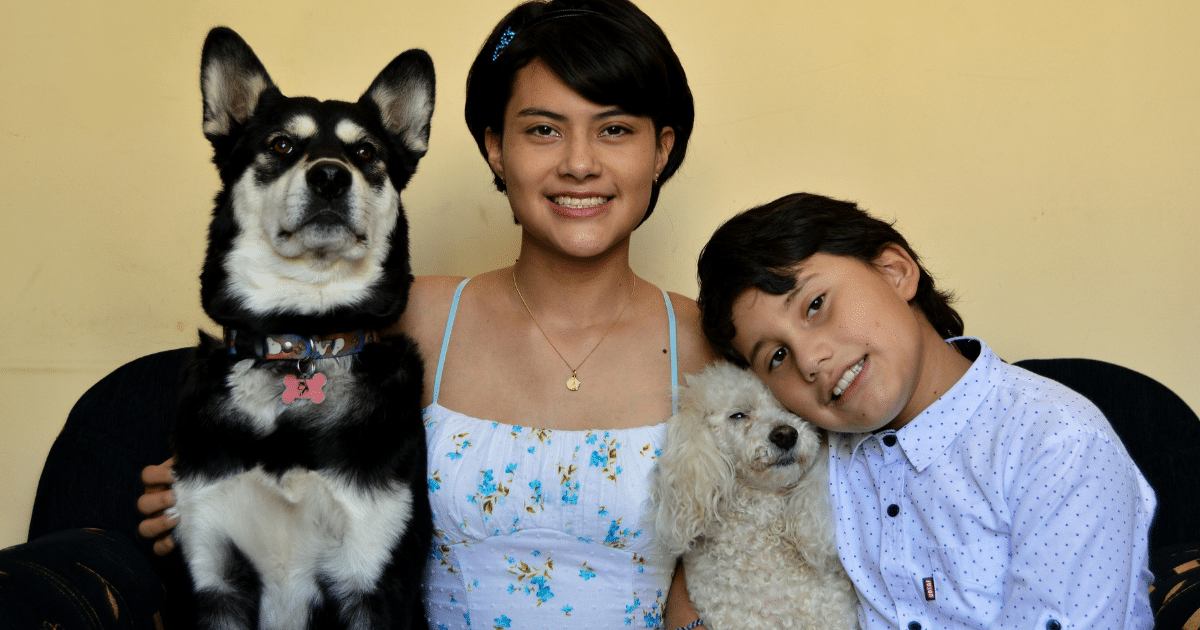
It’s important to remember that while certain breeds are known for child-friendly temperaments, individual personality, early socialization, and training play a huge role. Any dog, regardless of breed, should always be supervised around young children, and kids should be taught how to interact gently and respectfully with dogs. The safest households combine the right dog with the right education for everyone.
Natural Patience and Gentle Behavior
The best family dogs tend to possess natural patience and gentle behavior. Breeds like Labradors and Golden Retrievers are celebrated for their tolerant, forgiving natures—qualities that help them remain calm even when an excited child gets a little too enthusiastic. This gentleness makes interactions safer and more enjoyable for everyone.
Cavalier King Charles Spaniels are another example, naturally drawn to children with their sweet, affectionate dispositions. These gentle traits reduce the likelihood of a dog becoming stressed or reactive in a busy household. Still, even the most patient dog has limits, so teaching children to recognize a dog’s need for space and rest is essential to maintaining a happy, safe relationship.
Socialization and Early Training for Kid-Safe Dogs
No matter how naturally gentle a breed may be, socialization and early training are what truly create a kid-safe dog. Early, positive exposure to different people, children, environments, sounds, and experiences helps a dog grow into a confident, well-adjusted adult. This foundation is invaluable for family life.
Early training establishes good manners and clear boundaries, helping the dog understand how to behave around children. Positive reinforcement methods—rewarding desired behavior—are the most effective and humane approach. Investing time in socialization and training during a dog’s early months pays off enormously, creating a companion that’s safe, reliable, and a joy to have around the whole family.
Top Loyal Family Dog Breeds Worth Considering
Loyalty is one of the most cherished qualities in a family dog, and several breeds are renowned for their devotion. These dogs form deep bonds with their families and are happiest when included in daily life. Their loyalty often goes hand in hand with affection, protectiveness, and a strong desire to please.
Labradors and golden retrievers top many lists, not just for friendliness but for their unwavering devotion to their families. German Shepherds are known for exceptional loyalty and protectiveness and, with proper training and socialization, can be wonderful family dogs. Beagles, Collies, and many mixed-breed rescue dogs also form strong, loving bonds. The right loyal companion becomes a true member of the family.
Breeds Known for Unwavering Family Bonds
Certain breeds are especially known for forming unwavering bonds with their families. Golden Retrievers and Labradors are famous for their devotion and their love of being part of every family activity. Collies are gentle, intelligent, and naturally watchful over their household, often keeping a caring eye on the children.
It’s also worth considering mixed-breed dogs from shelters and rescues, which can make wonderfully loyal and loving family companions. Adult rescue dogs often come with established temperaments, making it easier to find one whose personality fits your family. Whatever you choose, a dog that feels secure and included in family life will reward you with steadfast loyalty and affection.
Training Methods That Build Well-Behaved Family Companions
Training is the foundation of a well-behaved family dog, regardless of breed. The most effective and humane approach is positive reinforcement—rewarding desired behaviors with treats, praise, or play, which encourages dogs to repeat them. This builds trust and a strong bond between the dog and the family.
Consistency is crucial: everyone in the household should use the same commands and rules so the dog isn’t confused. Start training early, keep sessions short and positive, and be patient. Basic obedience, house manners, and gentle behavior around children are all essential. For families who want extra support, professional trainers and puppy classes can be invaluable. Well-trained dogs are happier, safer, and easier to integrate into busy family life.
Choosing the Right Dog Breed With Vet Today’s Expert Recommendations
Finding the best family dog is about matching a dog’s needs and temperament to your unique household, lifestyle, and living space. While breed traits offer helpful guidance, every dog is an individual, and factors like socialization, training, and your commitment to care matter just as much. Taking the time to choose thoughtfully sets the stage for years of joy and companionship.
At Vet Today, our experienced veterinary team is here to help you make the best choice for your family. We can offer guidance on breed suitability, health considerations, training, and everything you need to welcome a new dog into your home and keep them healthy and happy for life.
Whether you’re choosing a new family companion or caring for a beloved pet, we’re here to help. Contact Vet Today to learn how our team can support you in finding and caring for the perfect family dog.
FAQs
Which loyal family dogs require the least grooming maintenance for busy parents?
Several loyal breeds are relatively low-maintenance in grooming. Labrador Retrievers and Beagles have short coats needing only occasional brushing, though Labs do shed. Bulldogs and French Bulldogs also have low grooming needs. Keep in mind that all dogs require basic care like nail trims and dental hygiene, and “low grooming” doesn’t always mean “low shedding.”
How do child-friendly dogs handle loud noises and chaotic household environments?
Breeds known for stable, tolerant temperaments—like Labradors, Golden Retrievers, and Cavalier King Charles Spaniels—generally handle noise and chaos better than more sensitive or reactive breeds. However, individual temperament and early socialization matter enormously. Exposing a dog to various sounds and situations early in life helps them stay calm and confident amid the unpredictability of family life.
What age should you start training gentle dog breeds for family safety?
Training and socialization should begin as early as possible—puppies can start learning basic manners and positive social experiences from around eight weeks of age. Early puppyhood is a critical window for socialization. That said, dogs of any age can learn through positive reinforcement, so adopted adult dogs can absolutely be trained for safe, happy family living too.
Can apartment-dwelling families successfully raise high-energy dog breeds indoors?
Yes, but it requires commitment. High-energy breeds can live in apartments if their substantial exercise and mental stimulation needs are met through daily walks, runs, play, and training. Without adequate activity, these dogs may become restless or destructive indoors. For busy families with limited time, a lower-energy breed is often a more realistic and harmonious choice.
Which kid-safe dogs adapt best to homes with multiple children and pets?
Sociable, easygoing breeds like Labradors and Golden Retrievers typically adapt well to busy homes with multiple children and pets, thanks to their friendly, tolerant natures. Proper introductions, socialization, and supervision are essential for success. Many well-socialized mixed-breed dogs also thrive in multi-pet, multi-child households. Matching energy and temperament to your family’s dynamic is the key to harmony.


