Skip to content


Benadryl Dosage for Dogs: Safe Amounts and Administration Guidelines
Your dog is scratching nonstop, broke out in hives after a bee sting, or gets carsick on every road trip—and you’ve heard that Benadryl might help. It’s one of the most common over-the-counter medications pet owners reach for, and in many cases, it can provide real relief. But giving any human medication to your dog requires care, accurate dosing, and an understanding of when it’s appropriate.
Getting the Benadryl dosage for dogs right is essential for your pet’s safety. Too little may not help, while too much—or the wrong product entirely—can cause serious harm. This guide covers how Benadryl works, how to determine the right dose, safe administration, potential side effects, and when to call your veterinarian. As always, consult your vet before giving your dog any new medication.
What Is Benadryl and How Does It Work for Dogs?
Benadryl is the brand name for diphenhydramine, an over-the-counter antihistamine originally developed for humans but commonly used in veterinary medicine. It works by blocking histamine, a chemical the body releases during allergic reactions that causes symptoms like itching, swelling, and sneezing.
When a dog encounters an allergen, their immune system releases histamine, triggering uncomfortable symptoms. Diphenhydramine binds to histamine receptors, preventing histamine from causing these reactions and providing relief. While Benadryl can be helpful for mild allergies and certain other issues, it’s worth knowing that it’s only effective in a portion of dogs—research suggests roughly 20 to 30% for chronic allergies—so it doesn’t work for every pet. Your veterinarian can help determine whether it’s a good fit.
The Role of Diphenhydramine in Canine Health
Diphenhydramine is a first-generation antihistamine, meaning it can cross the blood-brain barrier, which is why it often causes drowsiness. This same property can make it useful for more than just allergies—it can help with mild motion sickness and may have a mild calming effect in some situations. In canine health, diphenhydramine is generally considered safe when used appropriately and under veterinary guidance. But “appropriate use” is key: the right product, the right dose, and consideration of your dog’s individual health all matter. It can provide genuine relief, but it must be used thoughtfully and never as a substitute for proper veterinary care when a condition is serious.
Determining the Right Dosage for Your Dog
The appropriate Benadryl dosage for dogs is based on body weight. The standard veterinary dose, according to the Merck Veterinary Manual, is 2 to 4 mg per kilogram of body weight—which works out to a simple, practical guideline of about 1 mg per pound of your dog’s weight, given two to three times daily.
For example, a 25-pound dog would typically receive about 25 mg per dose, and a 50-pound dog about 50 mg per dose. Doses are generally given every 8 to 12 hours. That said, these are general guidelines—your veterinarian should always confirm the correct dose for your specific dog before you give it, especially for the first time. Never rely on the dosing instructions printed on human packaging, as those are meant for people.
Weight-Based Calculations for Accurate Dosing
To calculate your dog’s dose using the common guideline, multiply their weight in pounds by 1 mg. So a 10-pound dog would receive about 10 mg, a 30-pound dog about 30 mg, and so on. Standard Benadryl tablets typically contain 25 mg, which conveniently suits a 25-pound dog.
Accuracy matters enormously here. For small dogs, you may need to cut tablets or use a liquid formulation to achieve a precise, smaller dose. Always use your dog’s current, accurate weight, and double-check your math. When in doubt—particularly for very small dogs where small errors have a bigger impact—ask your veterinarian to confirm the exact amount and the right product to use.
Age and Health Considerations That Affect Dosing
A dog’s age and health status can significantly affect whether Benadryl is appropriate and at what dose. Puppies, senior dogs, pregnant or nursing dogs, and dogs with certain medical conditions require extra caution and veterinary guidance before receiving any antihistamine.
Benadryl may not be suitable for dogs with conditions such as glaucoma, heart disease, high blood pressure, seizures, or certain other health issues. It can also interact with other medications your dog may be taking. This is precisely why veterinary consultation is so important—your vet can assess your dog’s complete health picture and determine whether Benadryl is safe and, if so, at what dose.
Common Reasons Veterinarians Recommend This Antihistamine
Veterinarians may recommend Benadryl for several common issues. The most frequent use is for mild allergic reactions and the itching, redness, or hives that accompany them. It’s also used for reactions to insect bites or stings, mild environmental or seasonal allergies, and sometimes for mild motion sickness during travel.
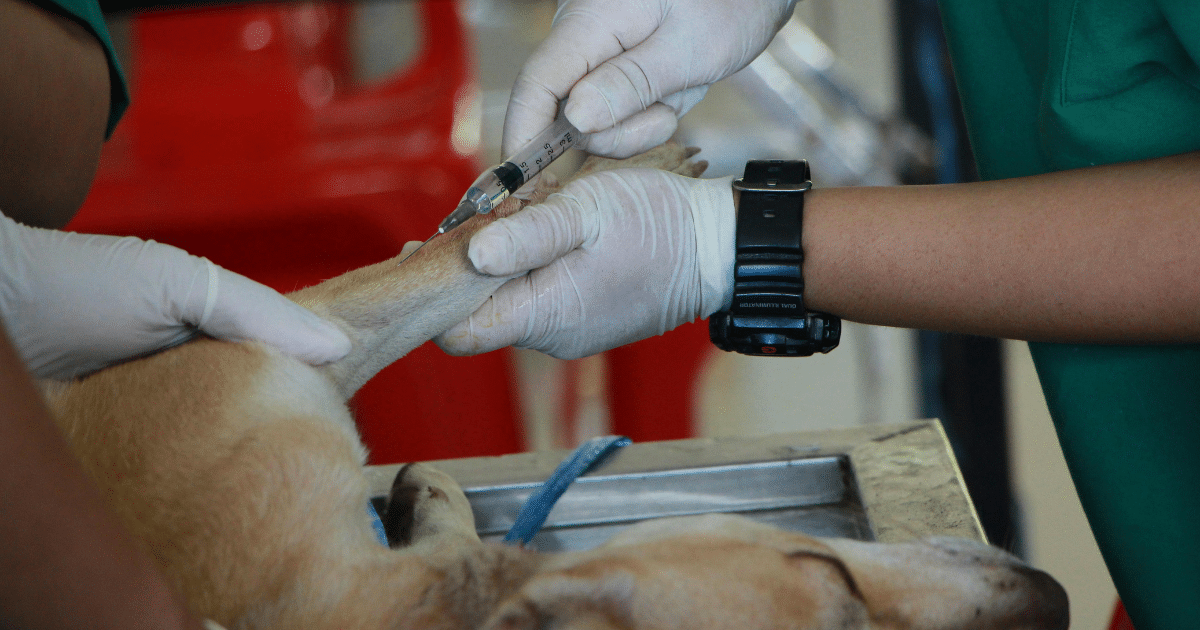
In some cases, vets may recommend Benadryl as a short-term measure while a more comprehensive treatment plan is developed, since many dogs with ongoing allergies need more effective, targeted therapies. It’s important to remember that Benadryl addresses symptoms rather than underlying causes, and persistent or severe issues always warrant a proper veterinary evaluation rather than ongoing self-treatment.
Addressing Allergic Reactions in Pets
For mild allergic reactions, Benadryl can help reduce itching, swelling, and discomfort. Started early, it may ease symptoms from insect bites, contact with irritants, or seasonal allergens. Many pet owners keep it on hand for these minor situations, with their vet’s prior guidance.
However, severe allergic reactions are a medical emergency. Signs like significant facial swelling, difficulty breathing, collapse, or severe vomiting after exposure to an allergen (such as a bee sting or a new medication) require immediate veterinary attention—do not rely on Benadryl alone in these situations. Knowing the difference between mild and severe reactions can be lifesaving.
Administration Methods and Best Practices
The most important rule of administration is to use only plain diphenhydramine—a product that contains diphenhydramine as the sole active ingredient. Many human Benadryl products are combination formulas that include other ingredients dangerous to dogs, which we’ll address in the safety section. Always read the label carefully. Benadryl is typically given by mouth, with or without food, though a small amount of food may help if your dog experiences stomach upset. Tablets can be hidden in a treat, and liquid forms can be measured precisely for smaller dogs. Whatever the form, give the exact dose your veterinarian recommends and follow the timing guidelines.
Tablets, Liquids, and Injectable Forms
Benadryl comes in several forms. Tablets and capsules (commonly 25 mg) are the most familiar and work well for medium to large dogs. Children’s chewable tablets (often 12.5 mg) can be useful for smaller dogs, and liquid formulations allow for precise dosing of small dogs—but liquid products require special caution, as some contain alcohol or xylitol, both of which are dangerous to dogs.
Injectable diphenhydramine also exists, but this form is administered by veterinary professionals in a clinical setting, not by owners at home. For at-home use, stick to plain oral tablets or vet-approved liquid forms, and always confirm the concentration (mg per mL for liquids) so you measure correctly. When unsure which form or product to use, your veterinarian or pharmacist can help.
Potential Side Effects and Safety Precautions
When properly dosed with a plain diphenhydramine product, Benadryl is generally safe for most dogs, but side effects can occur. The most common is drowsiness. Some dogs, paradoxically, become hyperactive instead. Other possible effects include dry mouth, urinary retention, rapid heartbeat, and digestive upset.
The most critical safety precaution bears repeating: never give your dog a combination product. Formulas labeled “allergy and sinus,” “cold and flu,” or similar often contain decongestants like pseudoephedrine or phenylephrine, pain relievers like acetaminophen, or other ingredients that are toxic—even potentially fatal—to dogs. Liquid products containing xylitol or alcohol are also dangerous. Always verify that diphenhydramine is the ONLY active ingredient, and never exceed the recommended dose or frequency.
When to Contact Your Veterinarian About Medication Concerns
You should contact your veterinarian before giving Benadryl for the first time, and any time you’re unsure about dosing, your dog’s suitability, or which product to use—especially for puppies, senior, pregnant, or sick dogs. Reach out promptly if your dog’s symptoms don’t improve, worsen, or recur, as this may signal a condition needing different treatment. And if you suspect your dog received too much Benadryl or accidentally ingested a combination product, contact your vet or an animal poison control resource immediately. It’s always better to ask than to risk your pet’s health.
Warning Signs That Require Immediate Attention
Certain signs require immediate veterinary attention. These include difficulty breathing, severe facial or throat swelling, collapse, seizures, extreme lethargy or unresponsiveness, a very rapid or irregular heartbeat, agitation, or signs of poisoning. These can indicate a severe allergic reaction, an overdose, or ingestion of a toxic combination product.
If you notice any of these symptoms, don’t wait—seek emergency veterinary care right away. Time can be critical in these situations. Keep your veterinarian’s number and an emergency animal hospital’s contact information readily accessible, so you can act quickly if a serious problem arises.
Getting Professional Guidance From Vet Today
Benadryl can be a helpful tool for managing mild allergies and discomfort in dogs, but safe use depends on correct dosing, the right product, and an understanding of your individual pet’s needs. When in doubt, professional veterinary guidance is always the safest path.
At Vet Today, our experienced veterinary team is here to help you care for your dog with confidence. Whether you have questions about medication dosing, allergy management, or any other aspect of your pet’s health, we provide trusted, professional guidance tailored to your pet’s unique needs.
If your dog is struggling with allergies, itching, or any health concern, don’t hesitate to reach out. Contact Vet Today to learn how our team can help keep your pet healthy, comfortable, and happy.
FAQs
1. Can I give my dog Benadryl without veterinary approval for minor itching?
It’s strongly recommended to consult your veterinarian first, even for minor itching. While plain Benadryl is generally safe at the correct dose, your vet can confirm the right amount, ensure your dog has no conditions that make it unsafe, and rule out an underlying issue causing the itching. A quick call helps you treat your dog safely and effectively.
2. How long does a canine antihistamine typically take to relieve dog allergy symptoms?
Benadryl usually begins working within 30 minutes to an hour after oral administration, with peak effects around one to two hours. The effects generally last 8 to 12 hours, which is why it’s given two to three times daily. For situations like travel-related motion sickness, it’s often given 30 to 60 minutes beforehand.
3. What’s the difference between liquid and tablet forms for pet medication dosing?
Tablets (commonly 25 mg) are convenient for medium and large dogs and can be hidden in food. Liquid forms allow more precise dosing for small dogs but require caution—you must confirm the concentration (mg per mL) and ensure the product contains no xylitol or alcohol, both toxic to dogs. Always use plain diphenhydramine in either form.
4. Are there safer alternatives to diphenhydramine for dogs with sensitive stomachs?
For dogs with sensitive stomachs or ongoing allergies, your veterinarian may recommend more targeted prescription options, which are often more effective than Benadryl for chronic allergies. There are also veterinary-specific allergy medications and supportive treatments like medicated shampoos. Your vet can recommend the safest, most effective option based on your dog’s specific needs and health history.
5. How quickly should I call my vet if my dog shows adverse medication reactions?
Immediately. If your dog shows signs of an adverse reaction—such as difficulty breathing, severe swelling, collapse, seizures, extreme lethargy, or an irregular heartbeat—seek emergency veterinary care right away, as these can be life-threatening. For milder concerns, like unusual drowsiness or stomach upset, contact your vet promptly for guidance. When in doubt, always err on the side of calling.