Skip to content



Key Takeaways
- An occasional hairball is usually normal, but vomiting more than once a week should be checked by a veterinarian.
- Common cat vomiting causes include hairballs, eating too fast, food sensitivities, and swallowing plants or small objects.
- Kidney disease, hyperthyroidism, infections, and parasites are cat health problems that often include vomiting as a symptom.
- Blood in the vomit, lethargy, loss of appetite, or repeated vomiting in one day need prompt veterinary care.
- The right cat vomiting treatment depends on the cause, so an accurate diagnosis comes first.
If your cat has thrown up more than once lately, you are probably asking, “Why is my cat vomiting?” Sometimes the answer is minor, like a hairball or a meal eaten too quickly. Other times, vomiting is the first visible sign of a condition that needs treatment.
This guide explains the most common reasons cats vomit, how to spot cat nausea before it turns into vomiting, which treatments veterinarians use, and how to decide when to call your vet.
Common Causes of Cat Vomiting
Cats throw up more easily than many owners expect. The Cornell Feline Health Center notes that many cats vomit occasionally, but a cat that vomits more than once a week, or that also shows lethargy, decreased appetite, or blood in the vomit, should be seen by a veterinarian promptly. Most everyday cases trace back to hairballs or diet.
Hairballs in Cats and How They Form
Cats spend much of the day grooming, and the backward-facing barbs on their tongues pull loose hair into the mouth, where it gets swallowed. Most of it passes through the gut, but some clumps in the stomach until the cat brings it back up as a wet, sausage-shaped mass.
Hairballs in cats are more common in long-haired breeds, heavy shedders, and cats that over-groom because of stress or skin problems. Guidance on how many is too many varies. Cornell considers a hairball every week or two unremarkable for many cats, while VCA Animal Hospitals advises contacting your vet if hairballs come up more than once a month. A hairball that cannot pass in either direction can cause an intestinal blockage, which is an emergency.
Dietary Issues and Food Sensitivities
Diet is the other major category. Common triggers include:
- Eating too fast. Cats that gulp their food often bring it back up within minutes, sometimes still shaped like kibble.
- Switching foods overnight. A sudden change can upset the stomach, so mix the new food in gradually over several days.
- Food allergies or intolerances. Some cats react to a specific protein, such as chicken, beef, or fish, which can lead to ongoing vomiting, diarrhea, or itchy skin.
- Eating things they should not. Spoiled food, houseplants, string, rubber bands, and human foods such as onions and chocolate can all cause vomiting and, in some cases, poisoning.
Feline Vomiting and Digestive Health
Knowing how digestion works makes it easier to see why some vomiting is harmless, and some is not.
Understanding Your Cat’s Digestive System
Food travels down the esophagus into the stomach, where acids and enzymes break it down, then into the small intestine, where nutrients are absorbed.
Owners often confuse two different things. Vomiting is an active process: your cat heaves, the abdominal muscles contract, and partly digested food or fluid comes up from the stomach or upper intestine. The Merck Veterinary Manual describes regurgitation as passive, with little or no abdominal effort, and the material that comes up is usually undigested. Your vet will ask which one you are seeing, because each points to different cat digestive issues.
Inflammation along the digestive tract, from conditions such as inflammatory bowel disease (IBD) or pancreatitis, can cause ongoing vomiting. So can problems outside the gut, which is why chronic vomiting deserves a closer look.
Cat Nausea: Recognizing the Warning Signs
Cats are good at hiding discomfort, so nausea is easy to miss. Watch for these signs, which often appear before or between vomiting episodes:
- Drooling or frequent lip licking
- Repeated swallowing or gulping
- Restlessness, pacing, or hiding
- Visible heaving or contractions of the abdomen
- Approaching the food bowl, then walking away without eating
If you see these signs often, keep a simple log of the date, what the vomit looked like, and when your cat last ate. It helps your vet narrow down the cause.
Cat Health Problems That Trigger Vomiting
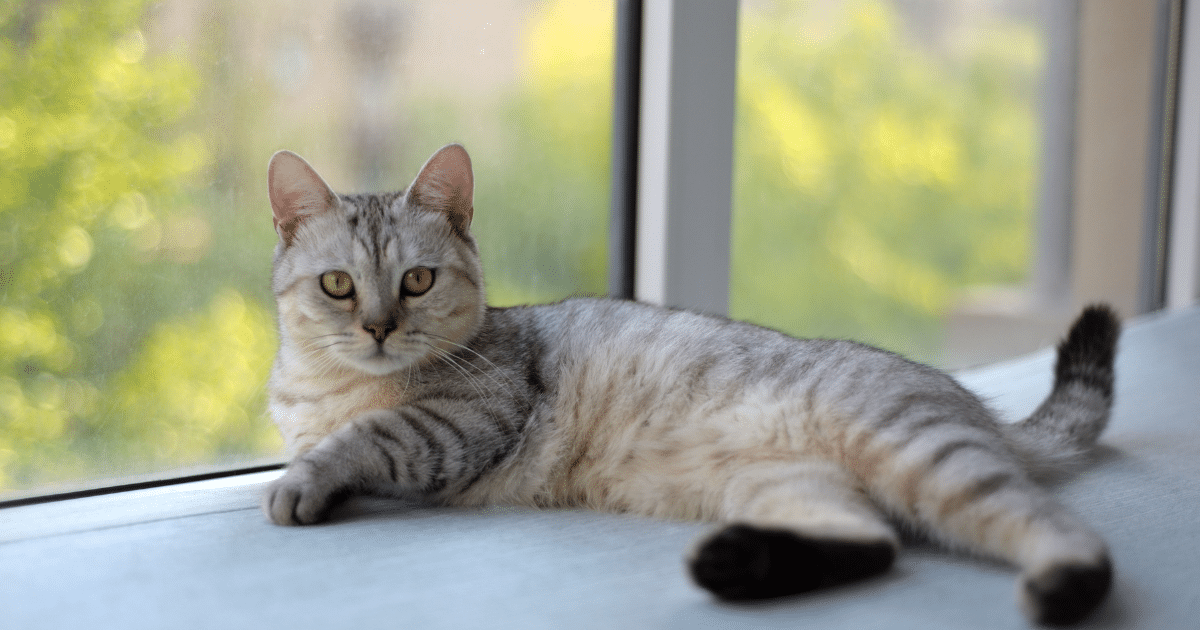
Frequent vomiting, especially with other symptoms, may point to a medical condition.
Kidney Disease and Thyroid Conditions
Chronic kidney disease (CKD) is one of the most common conditions in older cats. According to the Cornell Feline Health Center’s CKD overview, it affects up to 40% of cats over age 10 and 80% of cats over age 15. As kidney function declines, waste products build up in the blood and can make a cat feel ill and vomit. Other signs include increased thirst and urination, weight loss, lethargy, and an unkempt coat.
Hyperthyroidism is an overactive thyroid gland, most often seen in middle-aged and senior cats. Its most common signs are weight loss despite a strong appetite and increased thirst and urination, and it can also cause vomiting, diarrhea, and hyperactivity. Both conditions are diagnosed with blood and urine tests and can often be managed well when caught early.
Infections and Parasites in Cats
Intestinal parasites such as roundworms, hookworms, and Giardia irritate the digestive tract and are a frequent cause of vomiting, especially in kittens and outdoor cats.
Bacterial and viral infections, including feline panleukopenia in unvaccinated cats, can also cause vomiting, diarrhea, fever, and lethargy. Other conditions your vet may need to rule out include liver disease, diabetes, intestinal blockages, and certain cancers. A fecal exam can confirm parasites, and routine prevention lowers the risk of reinfection.
Cat Vomiting Treatment Options
Cat vomiting treatment depends on the cause, so diagnosis comes first. Your veterinarian will start with a physical exam and a detailed history, then may recommend bloodwork, urinalysis, a fecal test, X-rays, or ultrasound. Depending on the findings, treatment may include:
- A bland, easily digested diet for mild cases, or a hydrolyzed or novel-protein diet if a food allergy is suspected.
- Regular brushing, a hairball-control diet, or a vet-approved hairball gel for cats that bring up hair often.
- Anti-nausea medication, antacids, dewormers, or antibiotics, matched to the diagnosis.
- Subcutaneous or IV fluids to correct dehydration and electrolyte imbalances.
- Long-term management for conditions such as kidney disease or hyperthyroidism, or endoscopy or surgery to remove an obstruction.
Never give your cat human medications for vomiting. Human medications are themselves a common cause of feline vomiting, and many are toxic to cats.
When to Call Your Vet for Feline Vomiting
A single episode in a cat that is otherwise eating, drinking, and acting normally can usually be watched at home. Call your vet if your cat vomits more than once a week, if vomiting continues for more than a day or two, or if you notice changes in appetite, weight, thirst, or litter box habits. Kittens, senior cats, and cats with existing health conditions should be seen sooner.
If you are unsure when to call vet staff, phone the clinic, describe what you are seeing, and let them tell you whether your cat needs to come in. And if you find yourself asking “Why is my cat vomiting?” every week, that pattern alone is a reason to book an exam.
Red Flags That Require Immediate Attention
Seek veterinary care right away if your cat vomits and shows any of the following:
- Blood in the vomit, or vomit that looks like coffee grounds
- Vomiting several times in a single day
- Lethargy, weakness, or hiding for long periods
- Loss of appetite
- A painful or swollen abdomen
- Diarrhea, fever, or signs of dehydration
- Suspected ingestion of string, a toxin, or a foreign object
A male cat that vomits while straining in the litter box may have a urinary blockage, which is a life-threatening emergency.
Get Professional Support From Vet Today
If “Why is my cat vomiting?” is still on your mind, the next step is a professional exam. Vet Today makes it easy to find trusted local veterinarians, animal hospitals, and 24-hour emergency clinics near you, so your cat can be seen quickly, for a routine visit or an urgent one. Visit Vet Today to find a veterinarian near you.
FAQs
-
Can food allergies cause vomiting in cats, or is it always hairballs?
Yes, food allergies can cause vomiting. Hairballs are common, but they are not the only cause. A food allergy or intolerance can cause chronic vomiting, often along with diarrhea or itchy skin, and your vet may suggest a strict elimination diet trial lasting several weeks to confirm it.
-
How quickly should I seek veterinary care if my cat vomits repeatedly?
Call your vet the same day if your cat vomits several times in one day, and seek care immediately if vomiting comes with blood, lethargy, abdominal pain, or loss of appetite. If the vomiting happens more than once a week but otherwise seems mild, schedule an exam rather than waiting it out.
-
What’s the difference between occasional vomiting and a sign of kidney disease?
Occasional vomiting usually happens in a cat that otherwise eats, drinks, and behaves normally. Vomiting linked to kidney disease tends to recur and often shows up alongside increased thirst, more frequent urination, and weight loss. Senior cats are at the highest risk. Blood and urine tests are the reliable way to tell the two apart.
-
Are there home remedies that safely treat cat vomiting without medication?
For mild cases, offer smaller, more frequent meals, try a slow-feeder bowl, brush your cat regularly, and keep fresh water available. Do not withhold food unless your vet tells you to, because cats can develop serious health problems when they go without eating. If vomiting continues or new symptoms appear, it is time for an exam.
-
Could parasites or infections be causing my cat’s persistent nausea and vomiting?
Yes. Intestinal parasites and bacterial or viral infections are common causes of ongoing nausea and vomiting, especially in kittens and outdoor cats, and a fecal test plus a physical exam can usually identify the cause so your vet can prescribe the right treatment.
References
- Cornell Feline Health Center. “Vomiting.” https://www.vet.cornell.edu/departments-centers-and-institutes/cornell-feline-health-center/health-information/feline-health-topics/vomiting
- Cornell Feline Health Center. “Chronic Kidney Disease.” https://www.vet.cornell.edu/departments-centers-and-institutes/cornell-feline-health-center/health-information/feline-health-topics/chronic-kidney-disease
- VCA Animal Hospitals. “Vomiting in Cats.” https://vcahospitals.com/know-your-pet/vomiting-in-cats
- Merck Veterinary Manual. “Vomiting in Cats.” https://www.merckvetmanual.com/cat-owners/digestive-disorders-of-cats/vomiting-in-cats