Skip to content



Few sights are as endearing as a cat with a slight cross-eyed gaze. Their curious expressions often make them look perpetually inquisitive – or adorably mischievous. While it may look unusual, a cross-eyed cat is often perfectly healthy and full of personality. The condition, known medically as feline strabismus, can be congenital (present at birth) or develop later in life due to various factors.
Understanding what makes these cats unique – both anatomically and behaviorally – helps owners provide the right care while celebrating their irresistible charm. From Siamese cross-eyed cats to quirky domestic shorthairs, the story behind those crossed peepers combines genetics, neurology, and feline evolution.

What Is a Cross Eyed Cat?
A cross-eyed cat is one whose eyes do not align properly. Instead of both eyes focusing on the same point, one or both turn inward or outward. This misalignment results from issues with the eye muscles or nerves that control eye movement, a condition known as strabismus in cats.
In most cases, feline strabismus is harmless and does not significantly affect a cat’s vision or lifestyle. However, when strabismus appears suddenly or worsens over time, it may indicate an underlying neurological or eye condition that requires veterinary evaluation.
Common terms related to feline strabismus:
- Esotropia: Eyes turn inward (most common in cats).
- Exotropia: Eyes turn outward.
- Convergent strabismus: Both eyes focus toward the nose.
- Divergent strabismus: One or both eyes point away from the nose.
While many cross-eyed cats see perfectly well, understanding the causes and potential risks helps ensure their long-term health and comfort.
Causes of Feline Strabismus and Eye Alignment Issues
The cause of cat eye alignment issues depends on whether the strabismus is congenital or acquired. Congenital strabismus is usually genetic and appears early in life, while acquired strabismus develops later due to injury, infection, or neurological disorders.
| Type of Strabismus | Primary Cause | Typical Onset |
| Congenital | Genetic or developmental anomaly affecting eye muscles or nerves. | Present from birth or early kittenhood. |
| Acquired | Secondary to trauma, infection, or neurological disease. | Sudden onset in adult cats. |
| Breed-related (Siamese) | Normal variation due to optic nerve pathway differences. | Detected in early weeks. |
Common causes of feline strabismus include:
- Genetic factors (especially in Siamese cross-eyed cats).
- Damage to cranial nerves controlling eye movement.
- Inner ear infections affect balance and coordination.
- Head trauma or swelling near the optic nerve.
- Inflammatory or neoplastic (tumor-related) diseases.
- Vestibular disorders cause abnormal head tilt and eye drift.
While congenital cases are often cosmetic, sudden-onset strabismus may signal an urgent medical issue.
Genetics and Cross-Eyed Kittens
Crossed eyes can sometimes appear in kittens even when the parents seem unaffected. This occurs when genetic mutations or developmental variations affect the nerve pathways controlling eye movement.
In cross-eyed kittens, the misalignment may be more pronounced when they begin exploring and focusing on moving objects. As they mature, some kittens adapt by strengthening eye coordination, while others remain permanently cross-eyed.
Genetic and developmental influences to note:
- Inherited from parent cats with mild strabismus.
- Associated with specific breeds such as Siamese, Himalayan, and Tonkinese.
- Linked to the structure of optic nerve fibers, which may cross differently than in other breeds.
Owners of cross-eyed kittens should observe how the condition progresses. If a kitten’s eyes remain stable, it’s usually benign, but if the eyes shift rapidly, or if coordination worsens, a veterinary check-up is recommended to rule out neurological causes.
The Life Stages of a Cross-Eyed Kitten
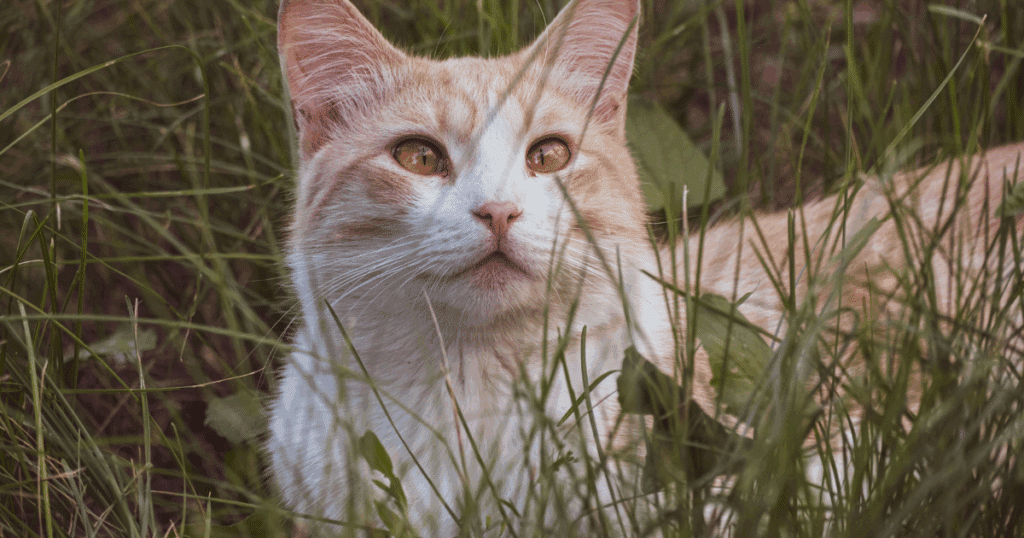
Caring for a cross-eyed kitten means understanding how vision and motor coordination develop. Kittens are born with sealed eyes and limited visual focus, so early strabismus may not be noticeable until they begin exploring around two to three weeks of age.
| Kitten Age | Eye Development Stage | Strabismus Observation |
| 0–2 weeks | Eyes closed or newly opened. | Strabismus is not visible yet. |
| 3–6 weeks | Rapid eye and nerve development. | Mild cross-eye may emerge. |
| 7–12 weeks | Depth perception and coordination improve. | Persistent misalignment becomes noticeable. |
| 3–6 months | Vision stabilizes; learning adaptation. | Permanent strabismus likely identifiable. |
Caring for kittens with strabismus:
- Provide stable, uncluttered environments to help spatial navigation.
- Keep toys close and colorful for easier visual focus.
- Avoid exposure to bright flashes or sudden movement, which can disorient them.
- Encourage gentle play to improve coordination.
Most cross-eyed kittens grow into confident, capable adults – often adapting so seamlessly that their vision appears normal.
Siamese Cross-Eyed Cats: A Signature Trait
The Siamese cross-eyed cat is perhaps the most iconic example of feline strabismus. For decades, their crossed eyes were considered a hallmark of the breed. The condition stems from a unique difference in how their optic nerves connect to the brain.
In most cats, nerve fibers from each eye cross evenly to opposite brain hemispheres. In Siamese cats, however, more fibers cross than usual. This uneven wiring helps correct the breed’s distinctive color-point vision but causes slight eye misalignment.
Traits of the Siamese cross-eyed cat:
- Almond-shaped blue eyes with slight inward convergence.
- Exceptional adaptability and awareness despite misalignment.
- Highly social, vocal, and intelligent temperament.
- Genetic predisposition is passed through selective breeding.
Interestingly, the misalignment in Siamese cats may serve an evolutionary function – it helps compensate for reduced clarity in peripheral vision. Over time, breeders have reduced this trait through selective breeding, but it still appears in some modern lines.
Health and Vision in Cross-Eyed Cats
A common question among cat owners is whether cross-eyed cat health differs from that of normal-eyed cats. In congenital cases, the answer is generally no – most cats with strabismus live healthy, normal lives with full mobility and awareness.
However, certain cases require veterinary attention, especially if the condition appears suddenly or changes rapidly. Potential health concerns include:
- Double vision or disorientation: Rare but possible in acquired cases.
- Underlying neurological disease: Such as vestibular dysfunction or encephalitis.
- Eye trauma: Especially if associated with pain or swelling.
- Reduced depth perception: May affect jumping or climbing accuracy.
If a cat suddenly becomes cross-eyed, tilts its head, or loses balance, immediate veterinary evaluation is critical.
Strabismus in Cats: Diagnosis and Care
Diagnosing strabismus in cats begins with a thorough physical and neurological exam. Vets check how the eyes move, respond to light, and align when tracking objects. Additional testing, such as imaging or bloodwork, may be recommended if the disease is suspected.
Typical diagnostic steps include:
- Ophthalmologic exam – Evaluates the eye muscles, pupils, and reflexes.
- Neurological testing – Determines if brain or nerve function is affected.
- Imaging (MRI or CT scan) – Identifies lesions, trauma, or inflammation.
- Infection screening – Rules out viral or bacterial causes.
Treatment and management strategies:
- Congenital strabismus: Usually requires no intervention unless vision is severely affected.
- Acquired strabismus: Treatment focuses on the underlying cause (e.g., antibiotics for infections, surgery for trauma).
- Environmental support: Keep surroundings consistent and safe for navigation.
With early detection and supportive care, most cats with strabismus adapt beautifully – proving that confidence, not perfect alignment, defines their charm.
Living With a Cross-Eyed Cat
Owning a cross-eyed cat comes with special joys. Their unique gaze often mirrors their playful, affectionate personalities, and their resilience is remarkable.
Daily care tips:
- Avoid rearranging furniture frequently to help with orientation.
- Use toys with sound or movement for better engagement.
- Monitor for behavioral changes that might suggest disorientation.
- Schedule regular vet check-ups to ensure long-term eye and neurological health.
These cats often thrive in stable, low-stress environments. Their gentle quirks and expressive faces remind us that beauty in animals and in life often lies in imperfection.
Seeing Double, Loving More: Celebrating Unique Cats With VET Today
At VET Today, we believe every pet’s uniqueness deserves celebration—and that includes the lovable cross-eyed cat. Our experienced veterinarians provide expert care for feline strabismus, cat eye alignment issues, and all other aspects of your cat’s vision and well-being.
Whether your cat’s crossed eyes are a harmless quirk or a sign of an underlying issue, our team ensures accurate diagnosis, compassionate guidance, and personalized treatment plans. Contact VET Today to schedule an exam or consultation. Because behind every curious gaze is a cat who deserves clear vision, comfort, and love.
FAQs
1. What are the common causes of feline strabismus, and how do they affect cat eye alignment issues?
Feline strabismus can result from genetics, nerve damage, or inner ear disorders. These factors affect the muscles controlling eye movement, causing misalignment. Congenital cases are usually harmless, while sudden changes may signal neurological or inflammatory issues.
2. How can genetics and developmental factors lead to cross-eyed kittens, and what should cat owners be aware of?
Genetics influences how optic nerves connect to the brain during development. In some breeds, like Siamese cats, these pathways cross differently, leading to visible misalignment. Owners should monitor kittens’ eye development and seek veterinary advice if misalignment worsens or is accompanied by other symptoms.
3. What are the typical stages of a cross-eyed kitten, and how can owners care for young cats with strabismus?
Cross-eyed kittens often show signs as early as three weeks old, when their eyes begin focusing. Gentle play, consistent environments, and colorful toys help them adapt. Most kittens learn to compensate for misalignment naturally as they grow.
4. What are the specific traits of a Siamese cross-eyed cat, and how do history and breed tendencies play a role?
Siamese cats often have a slight cross-eyed appearance due to genetic variations in optic nerve pathways. Historically, this trait was common and even favored in traditional Siamese lines. Modern breeding has reduced it, but it remains part of the breed’s unique charm.
5. How does strabismus in cats impact their health, and what are the best practices for ensuring their vision safety and quality of life?
In most cases, strabismus does not affect health or vision significantly. Providing a stable environment, avoiding sudden changes, and scheduling regular vet visits help ensure safety and comfort. Cats with acquired strabismus should be examined promptly to address underlying conditions.