Skip to content


The shredded armrest. The puncture marks on the new sofa. The rolled-up carpet edges. If you’ve shared a home with a cat, you’ve probably negotiated with destructive scratching at some point. The frustrating part isn’t just the damage — it’s that the usual responses (yelling, spraying water, locking the cat out of rooms) rarely work and often make things worse. Cat behavior problems almost always have a reason, and once you understand what your cat is communicating through scratching, biting, spraying, or avoiding the litter box, the solutions become much clearer. This guide walks through what’s actually driving the behavior and what consistently works to redirect it.
Why Cats Scratch Furniture and What It Reveals About Your Pet
Scratching is not a behavior cats invented to ruin furniture. It’s a deeply embedded instinct that serves several functions: shedding old claw sheaths, stretching back and shoulder muscles, marking territory through scent glands in the paws, and communicating presence to other cats. A cat that scratches isn’t being defiant — it’s being a cat. The question isn’t how to stop scratching entirely (you can’t, and you shouldn’t try) but how to redirect it onto appropriate surfaces. Punishment-based approaches fail because they don’t address the underlying drive. Environmental solutions that channel the instinct usually work within weeks.
The Natural Instinct Behind Destructive Scratching
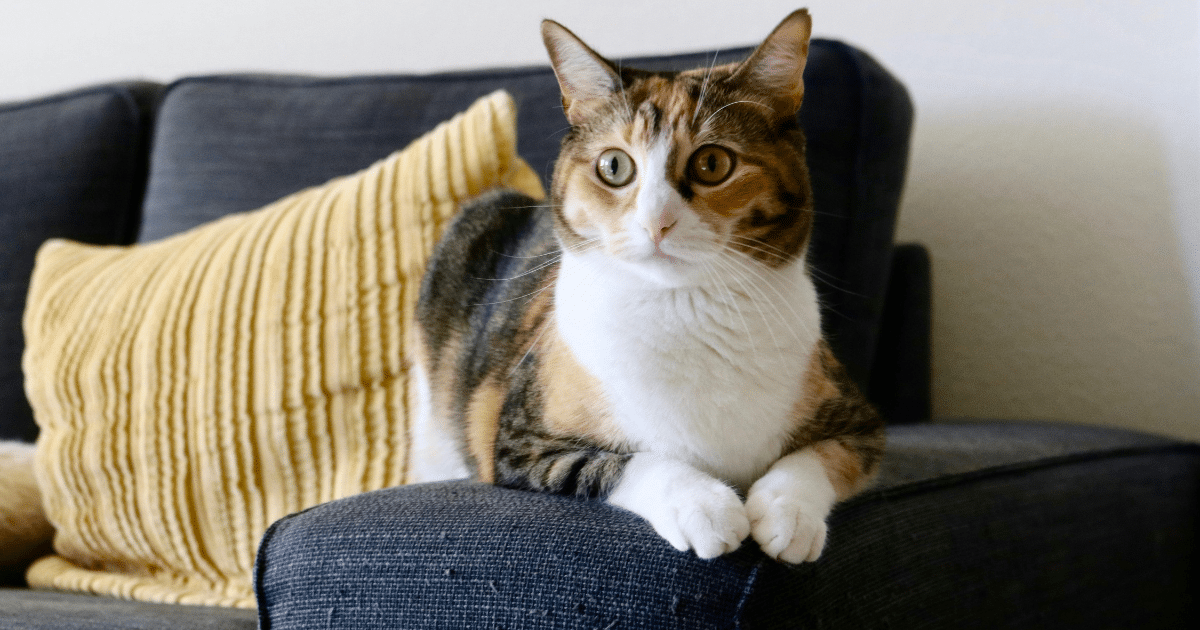
Destructive scratching is rarely random. Cats choose surfaces that feel right under their claws—typically vertical or angled surfaces with enough resistance to provide a satisfying stretch. The corner of a couch, the side of a chair, or a sisal rug all check those boxes. Cats also scratch in locations that feel important: near sleeping areas (where stretching after waking is natural), at room thresholds (territorial marking), or in front of the people they bond with (a social behavior, not an act of spite). Reading the location and surface preferences your cat already shows is often the first step toward providing alternatives that compete successfully.
How Stress and Environmental Factors Trigger Problem Behaviors
When scratching shifts from normal maintenance behavior to anxious, frequent, or destructive patterns, stress is usually involved. Common environmental triggers include new pets in the home, recent moves, household conflict, changes in routine, outdoor cats visible through windows, and reduced attention from owners. Feline stress is often subtle—cats hide it better than dogs—and shows up first in behavior changes rather than obvious distress. Recognizing escalating scratching as a signal rather than a misbehavior reframes the problem and points toward solutions that address the cause rather than just the symptom.
Common Cat Behavior Problems Beyond Just Scratching
Scratching is one of several cat behavior problems that share underlying drivers. Recognizing the broader pattern helps because solutions that address one often improve others. Common behaviors worth tracking include:
- Inappropriate elimination outside the litter box is often the first sign of medical issues or environmental stress.
- Spraying of vertical surfaces is typically a marking behavior rather than a litter problem.
- Aggression toward people or other pets, ranging from play biting to defensive swiping.
- Excessive vocalization that doesn’t match feeding times or normal attention-seeking patterns.
- Over-grooming to the point of bald patches or skin damage.
- Hiding or withdrawal from previously enjoyed activities and locations.
When several of these appear together, the underlying issue is rarely behavioral training. It’s usually environmental stress, medical, or both—and addressing root causes usually resolves multiple symptoms at once.
The Connection Between Anxiety and Furniture Damage
Cat anxiety and destructive scratching frequently travel together. Anxious cats scratch more, scratch in more visible locations, and add other stress-driven behaviors like over-grooming or appetite changes. The connection is biological: scratching releases tension and reinforces a sense of territory, both of which an anxious cat needs more of. Addressing the anxiety usually reduces the scratching even before any specific training begins. This is why pure scratching-prevention strategies (sticky tape, deterrent sprays, and blocking access) often produce mixed results—they address the surface behavior without touching the underlying state.
Recognizing Feline Stress Signals in Your Home
Cats communicate stress through patterns that owners often miss because the signals are subtle. Common indicators include:
- Body language shifts—flattened ears, dilated pupils, low body posture, or twitching tail tip.
- Changes in routine — eating less, sleeping more or in unusual locations, or hiding from family members.
- Increased vigilance at windows or doors, especially if outdoor cats are visible.
- Reduced grooming or, conversely, compulsive over-grooming.
- Avoidance of previously favored people, rooms, or activities.
Tracking when these signals appear often reveals the trigger. A new neighbor’s cat in the yard, a shift in the family’s schedule, or a recent move can all produce visible changes within days. Identifying the source is half the battle.
Addressing Aggression and Territorial Marking in Cats
Cat aggression takes many forms—defensive swatting, predatory ambushing, and redirected biting after seeing an outdoor cat—and each has different drivers. Territorial marking through scratching, spraying, or even subtle rubbing on furniture is a common response to perceived threats to a cat’s home territory. The underlying message is usually “I need to feel secure here.” Solutions that increase the cat’s sense of ownership and control over their environment—vertical space, hiding spots, predictable routines, and minimal exposure to outdoor cats—typically reduce aggression and marking together.
Distinguishing Between Normal Cat Spraying and Behavioral Issues
Cat spraying is communication, not litter box failure. A spraying cat backs up to a vertical surface, lifts and quivers the tail, and deposits a small amount of urine. The behavior is most common in unneutered males but happens in any cat under stress. Spraying is different from inappropriate urination, which involves squatting and full bladder emptying—usually a sign of a medical issue or litter box problem. Distinguishing the two matters because they call for different responses. Spraying is addressed through stress reduction and territorial security. Inappropriate urination starts with a vet visit to rule out urinary tract issues.
How Cat Biting Relates to Underlying Anxiety
Cat biting often signals anxiety even when it shows up during play. A cat that bites hands during petting, after a few minutes of contact, is usually communicating overstimulation. A cat that ambushes ankles around corners is often expressing predatory energy that needs another outlet. A cat that bites suddenly after looking out a window may be redirecting frustration from a perceived threat (an outdoor cat) onto whoever is closest. None of these are aggression in the moral sense—they’re communication signals. Identifying the pattern points to the right intervention: shorter petting sessions, more interactive play, or addressing the visible outdoor trigger.
Litter Box Issues as a Sign of Deeper Behavioral Concerns
Litter box issues are one of the most common reasons cats end up surrendered to shelters, and they’re often misinterpreted. The first step with any litter box problem should always be a medical workup—urinary tract infections, crystals, kidney issues, and arthritis can all cause cats to avoid their box, and these conditions get worse without treatment. Once medical causes are ruled out, behavioral and environmental factors come into play. Many “behavioral” litter problems resolve when owners address basic setup issues that don’t match what cats actually prefer.
Effective Behavioral Training Techniques That Actually Work
The most effective behavioral training for cats focuses on environmental design rather than discipline. Cats don’t respond to punishment the way dogs sometimes do—punishment usually produces fear and damaged trust without changing the underlying behavior. What does work is making the right behavior easier than the wrong one and reinforcing what you want with rewards. The table below pairs common cat behavior problems with the environmental changes and reinforcement strategies that consistently address them.
| Problem Behavior | Likely Cause | Effective Response |
| Scratching furniture | Lack of appealing alternative | Place scratching posts near current scratching spots |
| Inappropriate urination | Medical or litter box setup | Vet check first, then more boxes in better locations |
| Spraying | Stress or territorial concern | Reduce visible outdoor cats and add vertical space |
| Aggressive play biting | Insufficient predatory outlet | Daily interactive play sessions before meals |
| Hiding or withdrawal | Environmental stress | Identify triggers and add safe quiet zones |
| Excessive vocalization | Attention, hunger, or stress | Don’t reinforce yowling; assess underlying cause |
Most behavioral changes show meaningful improvement within 2–4 weeks of consistent environmental adjustments. Persistence matters more than intensity.
Creating an Environment That Reduces Problem Behaviors
Cats thrive in environments designed around their species rather than human convenience. Vertical space—cat trees, shelves, and window perches—gives cats territory in three dimensions and reduces conflict in multi-cat homes. Hiding spots provide retreat options that lower baseline stress. Multiple resources (food bowls, water stations, and litter boxes) prevent competition. Predictable feeding and play routines build security. Enrichment activities like puzzle feeders and rotated toys reduce the boredom that drives many problem behaviors. The general rule for litter boxes is one per cat plus one extra, in separate locations. Most multi-cat behavior problems trace back to insufficient resources or vertical space.
Getting Professional Help and Support at Vet Today
When cat behavior problems persist despite environmental changes, professional guidance often makes the difference. Vet Today offers comprehensive support for behavioral concerns. Pet families can expect:
- Thorough medical screening to rule out underlying conditions that present as behavior problems.
- Behavioral assessments that identify environmental triggers, stress patterns, and household dynamics affecting your cat.
- Tailored intervention plans combining environmental changes, enrichment strategies, and behavioral training as appropriate.
- Anti-anxiety medication options when behavioral and environmental approaches alone aren’t enough.
- Ongoing follow-up to refine the plan based on what’s actually working at home.
If your cat’s behavior has been escalating or hasn’t responded to home efforts, getting a professional read often shortcuts months of frustration. Visit Vet Today to schedule a behavioral consultation today.

FAQs
1. Why does my cat bite during play, and how is it connected to anxiety?
Play biting is rarely random aggression. Common causes include overstimulation during petting (too much contact for the cat’s tolerance), insufficient predatory outlet (cats who don’t get to chase and pounce will redirect that energy onto hands and ankles), and learned patterns from kittenhood where biting was reinforced. Cats with underlying anxiety often bite more readily because their threshold for stimulation is lower. The most effective response combines daily interactive play with wand toys, shorter petting sessions that end before the cat shows signs of overstimulation, and environmental enrichment that channels predatory energy productively.
2. Can litter box avoidance indicate a behavioral problem rather than a medical issue?
It can, but medical issues should always be ruled out first. Urinary tract infections, crystals, kidney problems, arthritis, and other conditions frequently cause cats to avoid the litter box. Once medical causes are excluded, behavioral and environmental factors come into focus—box cleanliness, location, litter type, number of boxes per cat, and stress in the household all influence usage. The standard guideline is one box per cat plus one extra in separate, quiet locations. Many “behavioral” litter problems resolve when the basic setup matches what cats actually prefer.
3. How do I stop my cat from spraying without medication or professional intervention?
Many spraying cases respond to environmental changes alone. Effective strategies include neutering or spaying if not already done (the single most impactful intervention for unaltered cats), reducing visible outdoor cats by frosting lower windows or rearranging perches, providing more vertical space and hiding spots so the cat feels secure, cleaning sprayed areas thoroughly with enzymatic cleaners (regular cleaners often leave scent that prompts re-spraying), and using synthetic feline pheromones in affected areas. Persistent spraying despite these changes often signals chronic stress or a medical issue and warrants veterinary input.
4. What environmental changes reduce destructive scratching and aggressive territorial behavior in cats?
The most impactful changes are usually multi-layered. Provide multiple scratching options in different materials (sisal, cardboard, carpet) and orientations (vertical and horizontal) placed near current scratching locations rather than where you’d prefer they be used. Add vertical space—cat trees, shelves, and window perches—to expand the cat’s perceived territory. Reduce exposure to outdoor cats through window adjustments. Establish predictable routines around feeding and play. Add hiding spots in each main room. Most cats show meaningful improvement within 2–4 weeks of consistent environmental changes.
5. Is excessive meowing a sign of feline stress or normal cat communication?
Both are possible. Some breeds (Siamese in particular) are simply more vocal by nature. Cats also use meowing to communicate with humans specifically; it’s largely absent in cat-to-cat interactions. Excessive vocalization becomes concerning when it’s new, persistent, or associated with other behavior changes. Common stress-related triggers include hunger, attention-seeking, cognitive changes in older cats, hyperthyroidism (especially in older cats), pain, or environmental stressors. If meowing patterns have changed recently, especially in older cats, a veterinary check is worth scheduling to rule out medical causes before treating it as a behavioral issue.