Skip to content


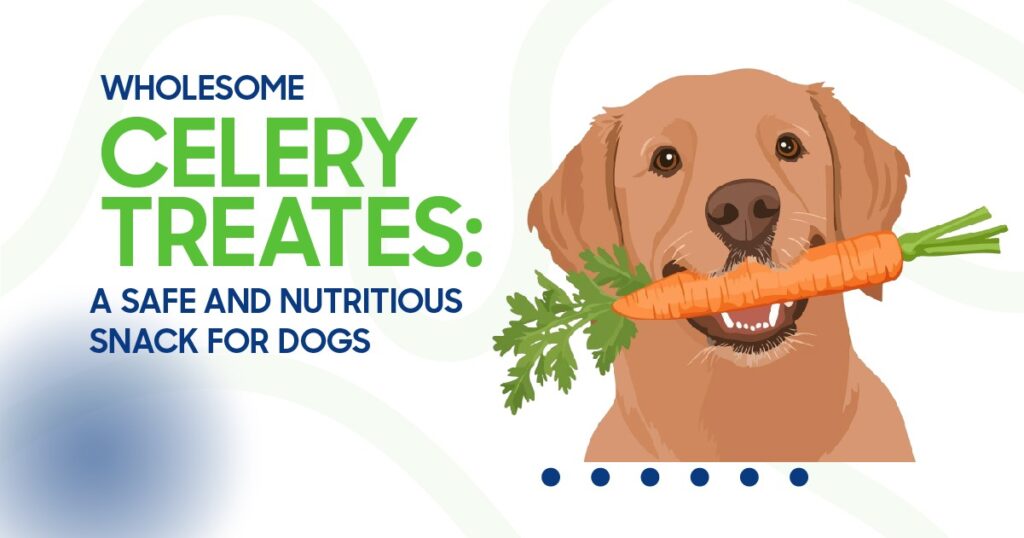
Pet owners are increasingly seeking natural, wholesome alternatives to processed treats for their four-legged companions. As awareness grows about canine nutrition, many dog parents find themselves asking important questions about which foods from their own kitchens can safely be shared with their pets. The good news is that numerous dog safe vegetables exist that can provide excellent nutritional benefits while offering a satisfying crunch that dogs love.
Among the many vegetable options available, celery has emerged as a particularly popular choice for health-conscious pet owners. This crisp, hydrating vegetable offers a low-calorie snacking option that can complement your dog’s regular diet. Understanding which vegetables are safe for canine consumption is the first step toward providing your furry friend with nutritious, tasty treats that support overall wellness.
Can Dogs Eat Celery: Addressing Common Concerns
One of the most frequently searched questions among pet owners is whether dogs can have celery as part of their diet. The straightforward answer is yes, dogs can safely eat celery when it is properly prepared and served in appropriate portions. This crunchy vegetable poses minimal risks when offered correctly, making it an excellent addition to your dog’s treat options.

Many pet parents wonder about potential choking hazards associated with celery’s fibrous texture. While this concern is valid, especially for smaller breeds, cutting celery into bite-sized pieces effectively eliminates this risk. The stringy fibers that run along celery stalks should be removed, or the vegetable should be sliced thinly enough that these fibers do not pose a problem during chewing and swallowing.
Celery for Dogs: Nutritional Profile and Health Benefits
Understanding the benefits of celery for dogs begins with examining its impressive nutritional profile. This vegetable delivers substantial health advantages while maintaining an extremely low calorie count, making it ideal for weight management in dogs.
Nutritional Content of Celery (per 1 cup, chopped)
| Nutrient | Amount |
| Calories | 14 kcal |
| Water Content | 95% |
| Vitamin K | 29.6 mcg |
| Vitamin A | 453 IU |
| Potassium | 263 mg |
| Fiber | 1.6 g |
| Folate | 36 mcg |
The celery for dogs nutritional advantages extend beyond basic vitamins and minerals. This vegetable contains antioxidants that help combat oxidative stress and support cellular health. Additionally, the high water content makes celery an excellent hydration supplement, particularly during warmer months or after physical activity.
Is Celery Good for Dogs? Analyzing the Pros and Cons
Pet owners frequently ask is celery good for dogs, and the answer requires a balanced examination of both advantages and potential drawbacks. While celery offers numerous health benefits, understanding the complete picture helps ensure you make informed decisions about your pet’s nutrition.
Advantages of celery for dogs include:
- Low calorie content supports weight management programs without sacrificing treat enjoyment
- High water content provides supplemental hydration throughout the day
- Natural crunch satisfies chewing instincts while promoting dental health
- Rich in vitamins A, C, and K that support immune function and bone health
- Contains anti-inflammatory compounds that may benefit joint health

Potential considerations include:
- Fibrous strings may pose choking risks if not properly prepared
- Excessive consumption can cause digestive upset in some dogs
- Should be introduced gradually to monitor for any sensitivities
- Moderation remains essential, as treats should not exceed 10% of daily caloric intake
Feeding Dogs Celery: Proper Preparation and Serving Suggestions
Successful feeding dogs celery requires attention to preparation methods that maximize safety and enjoyment. Proper preparation techniques transform this raw vegetable into a perfectly portioned treat that your dog will love.
Begin by thoroughly washing celery stalks under running water to remove any pesticide residue or dirt. Organic celery is preferable when available, though conventionally grown celery is safe once properly cleaned. Remove the leaves, as they contain higher concentrations of certain compounds that could cause mild stomach upset in sensitive dogs.
Cut celery into appropriately sized pieces based on your dog’s size. For small breeds, slice celery into thin coins approximately one-quarter inch thick. Medium and large dogs can handle larger pieces, though cutting against the grain helps minimize stringy fiber issues. Some pet owners prefer to peel the outer layer of celery stalks to remove the toughest fibers entirely.
Recommended Celery Serving Sizes by Dog Weight
| Dog Size | Weight Range | Recommended Serving |
| Extra Small | Under 10 lbs | 1-2 small pieces daily |
| Small | 10-25 lbs | 2-3 medium pieces daily |
| Medium | 25-50 lbs | Half a stalk daily |
| Large | 50-75 lbs | 1 full stalk daily |
| Extra Large | Over 75 lbs | 1-2 stalks daily |
Always serve celery raw rather than cooked when offering it as a standalone treat. Cooking diminishes the nutritional content and eliminates the satisfying crunch that makes celery appealing to dogs. Raw celery maintains its full complement of vitamins and provides maximum dental benefits through natural abrasion during chewing.
Dogs and Celery Treats: Creative and Fun Snack Ideas
Exploring dogs and celery treats opens up a world of creative possibilities for enriching your pet’s snacking experience. Beyond serving plain celery pieces, numerous preparation methods can transform this simple vegetable into an exciting treat that keeps dogs engaged and satisfied.
One popular option involves stuffing celery stalks with dog-safe peanut butter that does not contain xylitol. This combination provides healthy fats and protein alongside the vegetable’s natural nutrients. The peanut butter also makes celery more appealing to picky eaters who might otherwise show little interest in plain vegetables.
Healthy Snacks for Dogs: Incorporating Celery into Your Dog’s Diet
Building a repertoire of healthy snacks for dogs requires understanding how individual foods fit into overall nutritional balance. Celery serves as an excellent foundation for a health-conscious treat rotation that supports your dog’s wellbeing without contributing excessive calories or problematic ingredients.
Integration into daily routines works best when celery becomes associated with positive experiences. Offer celery pieces as training rewards, post-walk refreshments, or quiet evening snacks. Consistent positive associations help even hesitant dogs develop appreciation for this nutritious vegetable.
Stalk Up on Health: Let VET Today Guide Your Pet’s Nutrition
Embracing celery as a regular component of your dog’s treat rotation represents a simple yet impactful step toward better canine nutrition. This versatile vegetable delivers impressive health benefits while satisfying dogs’ natural desire for crunchy, flavorful snacks. From supporting weight management to promoting dental health, celery proves that can dogs eat celery deserves a resounding yes.
Contact VET Today to learn more about creating balanced, healthy meal plans for your dog, and discover additional ways to incorporate wholesome foods into your pet’s daily routine. Your dog deserves the best nutrition possible, and we are here to help you provide exactly that.
FAQs
1. What are some dog safe vegetables aside from celery that can be added to a dog’s diet?
Several vegetables make excellent additions to a dog’s diet alongside celery. Carrots, green beans, cucumber, zucchini, and sweet potatoes are all generally safe options that provide various vitamins and minerals. Always introduce new vegetables gradually and consult your veterinarian if your dog has specific health conditions or dietary restrictions.
2. Can dogs eat celery safely, and how can it be incorporated into their meals?
Yes, dogs can eat celery safely when it is properly prepared by washing thoroughly and cutting into appropriately sized pieces. Celery can be incorporated into meals as a food topper mixed with regular kibble, offered as standalone training treats, or stuffed with dog-safe peanut butter for added appeal. Starting with small portions allows you to monitor your dog’s tolerance before increasing serving sizes.
3. What are the benefits of celery for dogs in terms of nutrition and overall health?
Celery provides numerous nutritional benefits including vitamins A, C, and K, potassium, folate, and dietary fiber that supports digestive health. The high water content of approximately 95% helps keep dogs hydrated, while the crunchy texture promotes dental health by naturally cleaning teeth during chewing. Additionally, celery’s low calorie count makes it an ideal treat for dogs on weight management programs.
4. Is celery good for dogs with specific dietary needs, and how does it compare to other vegetables?
Celery is particularly beneficial for dogs requiring low-calorie treats due to weight concerns or diabetes management, as it contains only about 14 calories per cup. Compared to other vegetables, celery offers superior hydration benefits due to its exceptional water content, though carrots may provide more beta-carotene and sweet potatoes offer higher fiber content. Rotating between different vegetables ensures your dog receives comprehensive nutritional benefits.
5. How can celery be used creatively as a treat for dogs, and what are some fun snack ideas?
Creative celery treat options include stuffing stalks with xylitol-free peanut butter or cream cheese, freezing celery pieces for refreshing summer snacks, or creating vegetable medleys combining celery with carrots and cucumber. You can also blend celery into homemade dog-friendly frozen treats or use it as a low-calorie vehicle for delivering supplements or medications that your dog might otherwise refuse.